

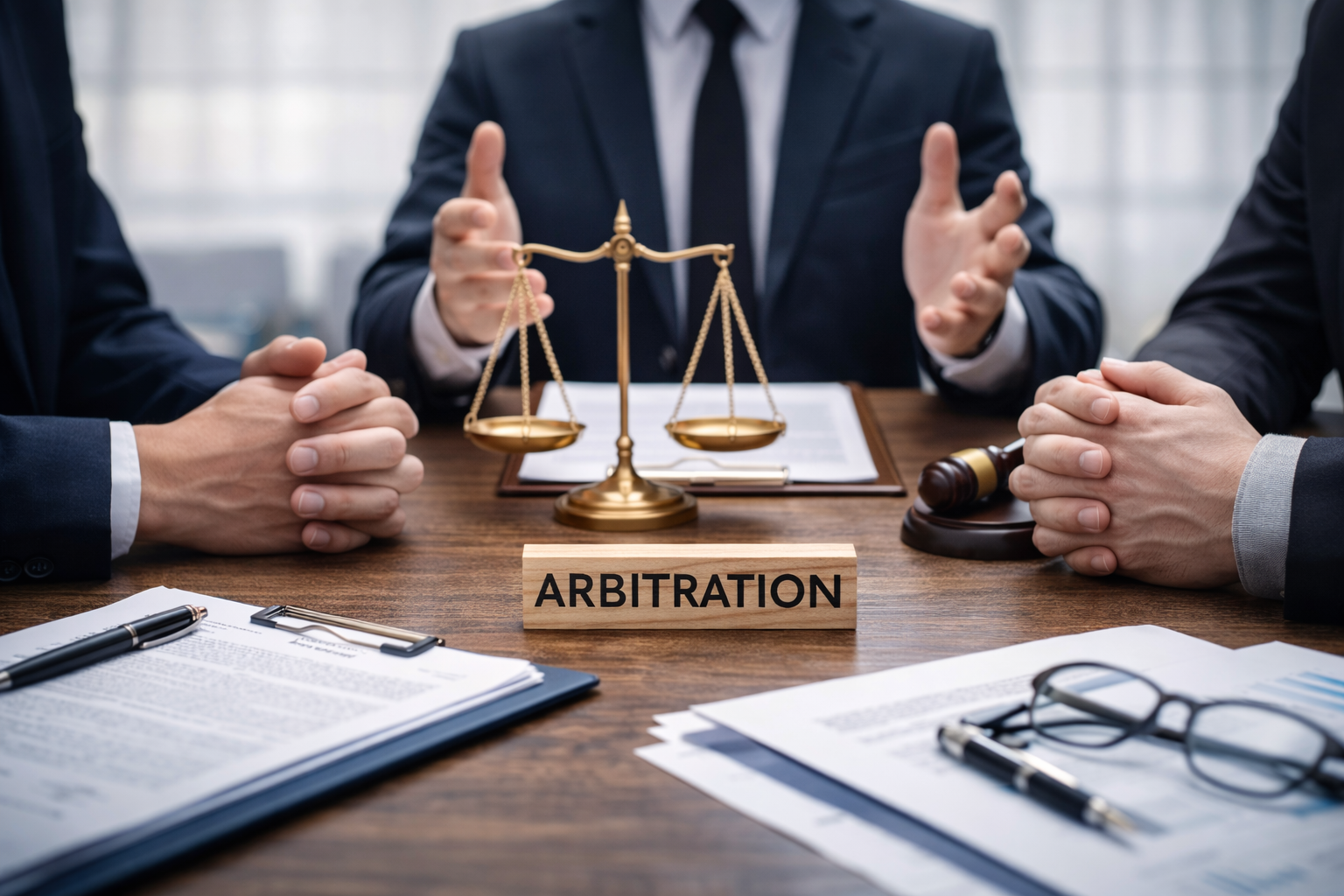
Business and personal disputes can arise across a wide range of industries, transactions, and relationships. Effective dispute resolution is essential to protect rights, preserve value, and achieve efficient outcomes. We provide comprehensive dispute resolution services, helping clients resolve conflicts through strategic negotiation, alternative dispute resolution (ADR), and litigation where necessary.
Our services cover commercial disputes, contract enforcement, corporate and shareholder conflicts, construction and infrastructure disputes, banking and financial litigation, intellectual property disputes, employment and labour matters, and regulatory enforcement challenges. We understand that each dispute is unique, and we tailor strategies that balance legal rights with commercial realities.
When possible, we prioritise alternative dispute resolution methods such as mediation and arbitration to achieve timely and cost‑effective outcomes. These approaches can preserve business relationships, reduce expense, and provide greater flexibility in resolution. When litigation is necessary, we represent clients in civil courts, high courts, appellate tribunals, and specialised forums, advocating for their interests at every stage of the process.
With experience across sectors and subject matters, we help clients anticipate risks, respond to claims, manage documentation and evidence, and pursue the best possible resolution. Our goal is to deliver practical advice, clear pathways for resolution, and strong representation that aligns with your long‑term objectives.
Frequently Asked Questions (FAQs)
1. What is dispute resolution?
Dispute resolution refers to the process of resolving conflicts or disagreements between parties.
2. What types of disputes do you handle?
We handle commercial, contractual, corporate, construction, banking, employment, and intellectual property disputes.
3. What is alternative dispute resolution (ADR)?
ADR includes methods like mediation and arbitration that help resolve disputes without going to court.
4. What is mediation?
Mediation is a facilitated negotiation with a neutral third party to help parties reach a mutually acceptable solution.
5. What is arbitration?
Arbitration is a private process where a neutral arbitrator decides the dispute, and the decision is usually binding.
6. When is litigation necessary?
Litigation is used when disputes cannot be resolved through negotiation or ADR and require court intervention.
7. Where are disputes resolved?
Disputes may be resolved in civil courts, high courts, arbitration tribunals, or specialised dispute forums.
8. How long does dispute resolution take?
Time varies depending on complexity, parties involved, and method chosen for resolution.
9. Can dispute resolution preserve business relationships?
Yes, especially through mediation or negotiation, which focus on collaborative solutions.
10. Why is legal representation important in disputes?
Legal representation helps protect rights, manage evidence, negotiate effectively, and achieve better outcomes